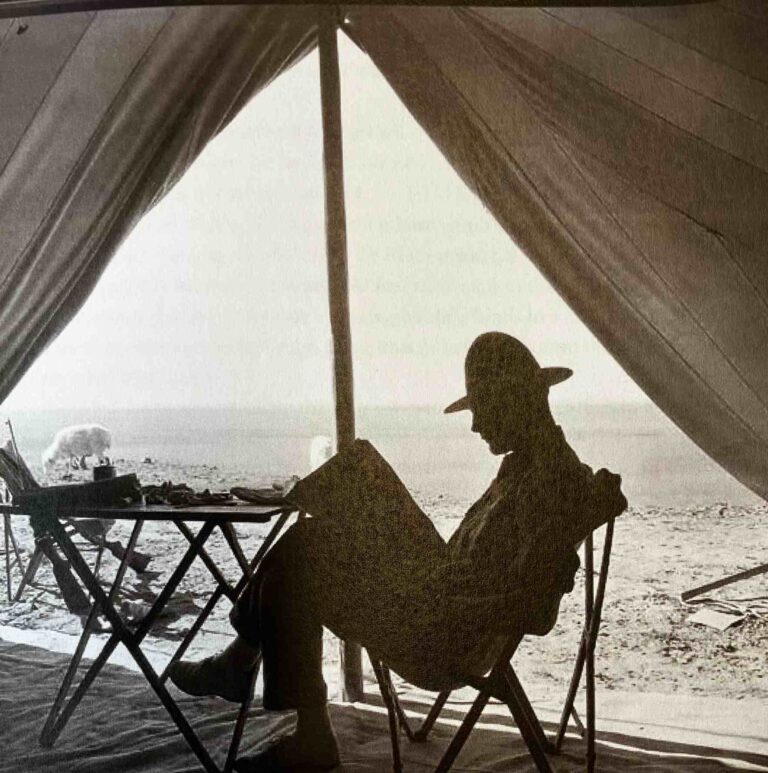
Two brilliant but bitter rivals turned the dusty plains of the American West into a treasure hunt gone wrong! Edward Drinker Cope and Othniel Charles Marshs feud, known as the Bone Wars, unearthed incredible dinosaur secrets but at a tremendous cost. What drove these men to such extremes?
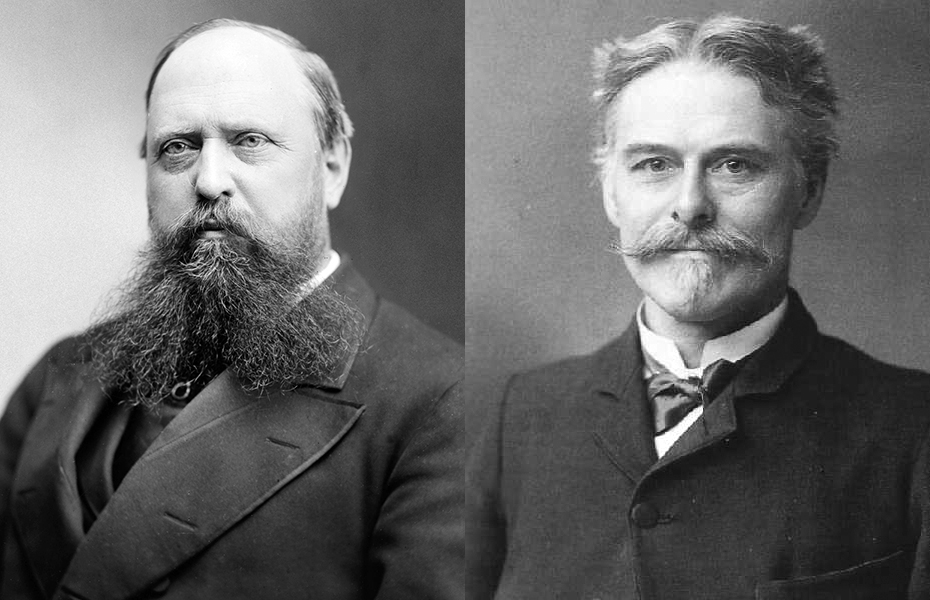
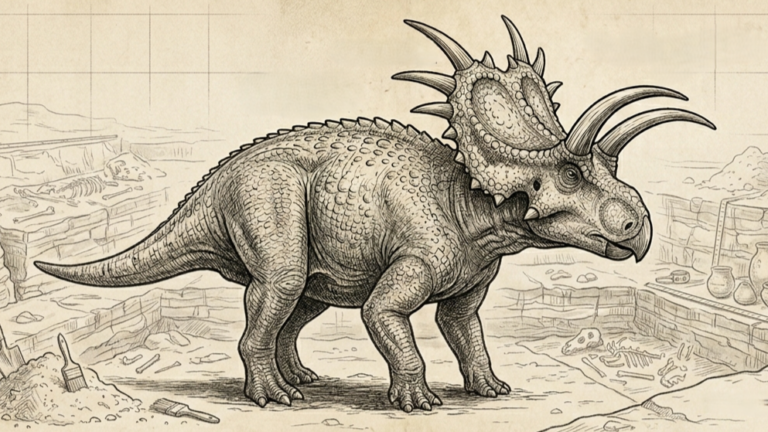
In the late 19th century, a fierce rivalry between paleontologists Edward Cope and Othniel Marsh ignited the Bone Wars. What began as competition for fame spiraled into sabotage, espionage, and the rapid discovery of over 140 new dinosaur species, including icons like Stegosaurus and Triceratops. Their obsession fueled American paleontology’s golden age but led to destroyed sites and wasted fortunes, forever changing how we view prehistoric giants.
The Bone Wars erupted in 1877 when Cope and Marsh, both renowned scientists, clashed over the classification of a fossil. Cope claimed Marsh had scooped him on a major find, and from there, the rivalry intensified. They hired spies, bribed quarry workers, and rushed to claim fossils before the other could, turning the Wyoming and Colorado badlands into contested territories. This cutthroat competition not only accelerated fossil hunting but also introduced unethical practices that plagued the field.
Over two decades, their efforts led to groundbreaking discoveries. Marsh named 80 new species, while Cope named 56, including famous ones like Allosaurus and Ankylosaurus. The influx of specimens filled museums like the Peabody at Yale and the American Museum of Natural History. However, the haste meant many bones were damaged or left unexcavated, and the feud drained their personal fortunes, with Marsh spending over $1 million of his uncles money.
The Bone Wars ended around 1897 when both men were financially ruined and the sites depleted. Their legacy is mixed: they advanced dinosaur science dramatically but highlighted the need for ethical standards in paleontology. Today, this story inspires books, documentaries, and even nods in pop culture, reminding us of the passion and peril in scientific pursuit.
If you want to learn more, you can check out ‘The Gilded Dinosaur’ by Mark Jaffe (2000), or articles from Smithsonian Magazine like ‘The Bone Wars’ (2018). Online, the University of California Museum of Paleontology has detailed timelines.