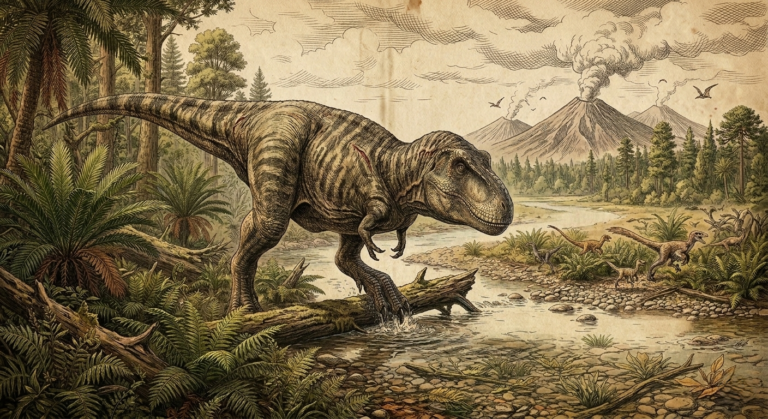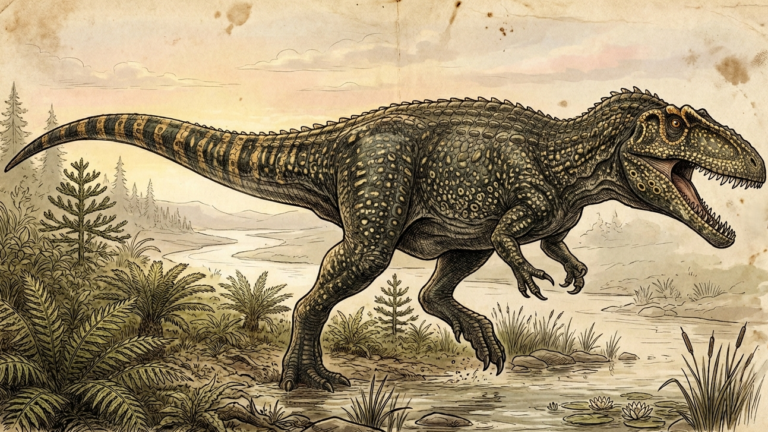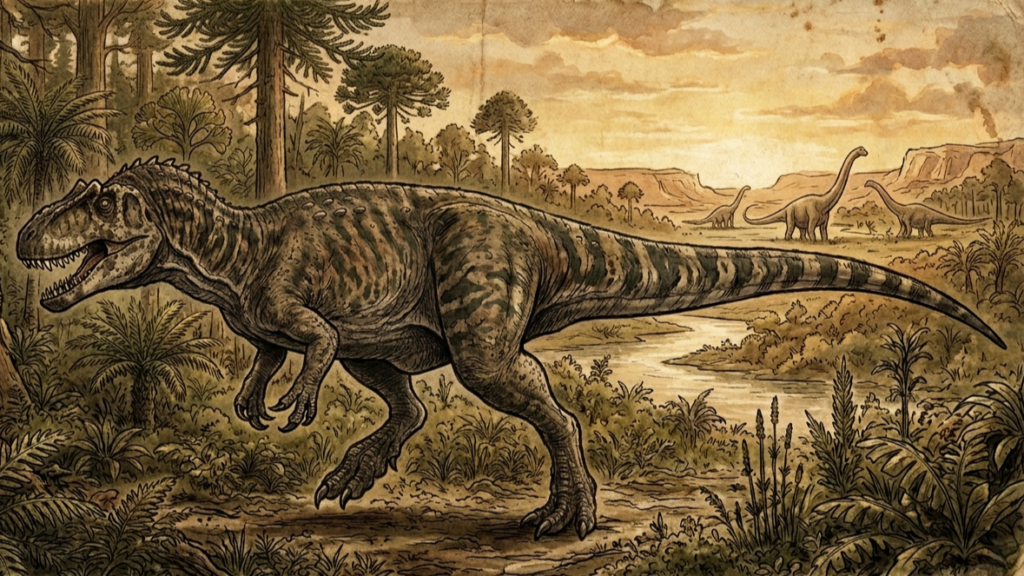
Imagine a Jurassic titan capable of devouring fellow predators whole. Saurophaganax maximus, Oklahoma’s own state dinosaur, earned its name meaning ‘greatest lizard-eater’ from bones unearthed in the 1930s by paleontologist John Willis Stovall in the panhandle badlands. Initially mistaken for Allosaurus, these fossils were officially named in 1995 by Daniel Chure, revealing a distinct apex hunter of the Morrison Formation.
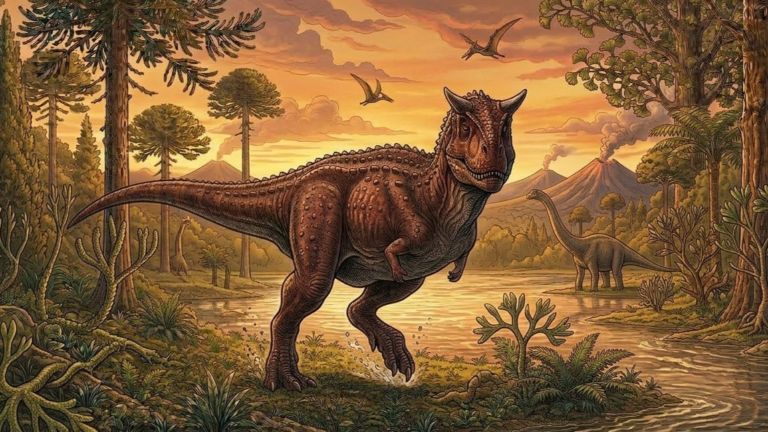
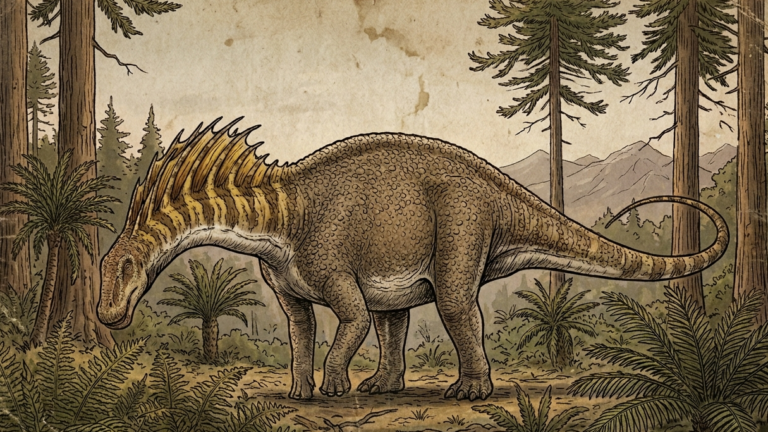
Stretching up to 43 feet long and weighing around 3 tons, Saurophaganax boasted a massive skull with 10-inch serrated teeth designed to pierce the thick hides of giant sauropods like Apatosaurus. Pathological analysis of its vertebrae shows evidence of healed battle wounds and even possible cannibalism, hinting at intense territorial fights among these colossal carnivores 150 million years ago.
Unique features like elongated neural spines on its back vertebrae set Saurophaganax apart from its Allosaurus cousins, suggesting it was an even more robust brute. As one of the largest theropods in North America during the Late Jurassic, it ruled the floodplains teeming with prey, leaving a legacy etched in the red earth of Oklahoma.