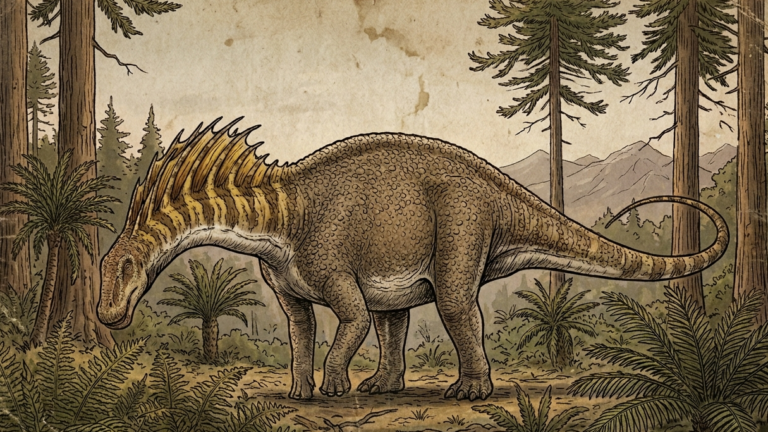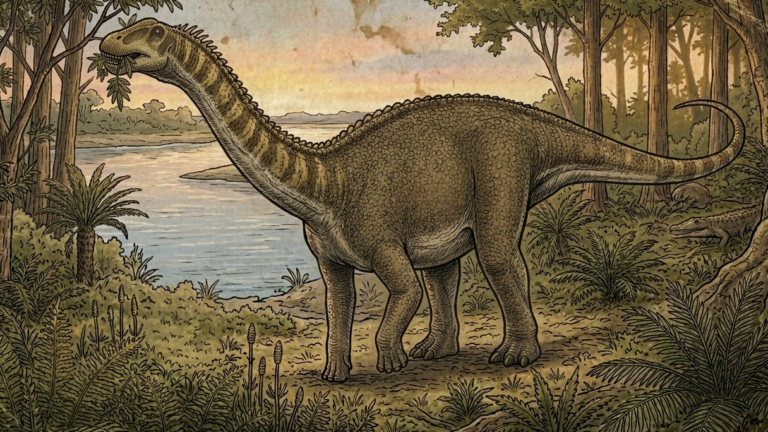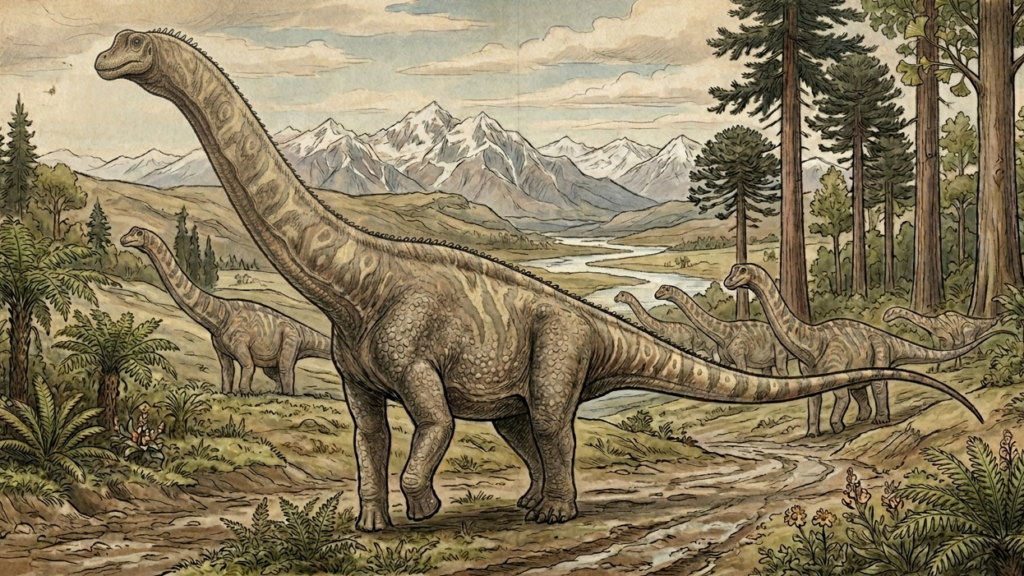
Picture this: a dinosaur so massive that a single thigh bone stood taller than an NBA basketball hoop. Patagotitan mayorum, unearthed in the wilds of Patagonia, redefines what we thought possible for land animals.
In 2010, a local rancher stumbled upon enormous fossils on his property in Argentina’s Chubut Province. What followed was a monumental excavation from 2010 to 2012, unearthing over 100 bones from at least six individuals in the Cerro Barcino Formation. Paleontologists José Carballido and Diego Pol formally named it in 2017, combining ‘Patago’ for the region with ‘titan’ for its gigantic size, and ‘mayorum’ honoring the Mayo family landowners.
Measuring up to 37 meters long, Patagotitan was a true colossus among titanosaurs, likely weighing around 69 metric tons. Its long neck allowed it to browse high vegetation in forested floodplains teeming with ferns and conifers. This herbivore’s discovery provides crucial insights into the evolution of giant sauropods during the Early Cretaceous.
Recent studies highlight Patagotitan’s robust build and osteoderms, suggesting armored skin for protection. As one of the best-preserved giant titanosaurs, it continues to captivate scientists, challenging previous size estimates for dinosaurs and offering a glimpse into a world dominated by gentle giants.