Picture this: a shoulder blade bigger than a full-grown human. That’s how Supersaurus made its debut in paleontology. In 1972, Vivian Jones stumbled upon this colossal bone while scouting for deer near Colorado’s Dry Mesa Quarry. Little did she know, it belonged to one of the longest dinosaurs ever discovered.
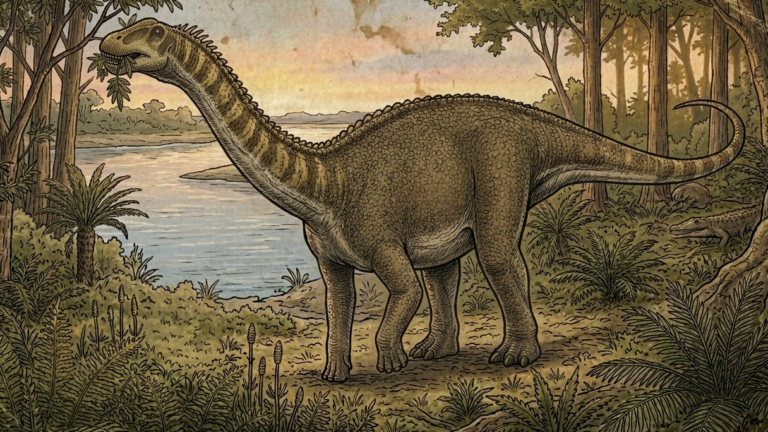
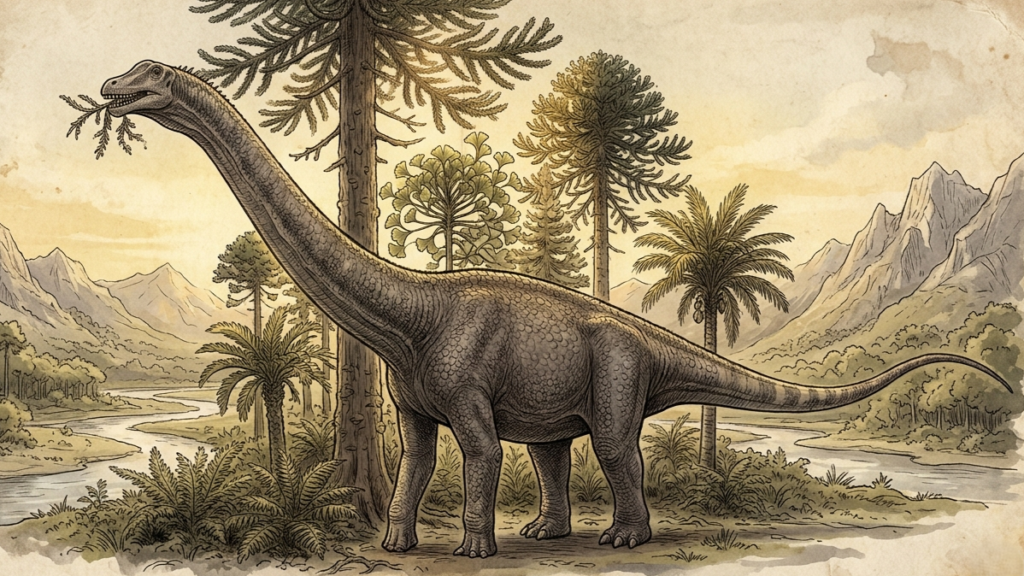
Paleontologist James A. Jensen named it Supersaurus vivianae in 1985, honoring the finder. The holotype specimen’s scapula measured nearly 8 feet tall, hinting at a beast stretching over 100 feet from head to tail tip. Recent studies of the even larger ‘Jimbo’ specimen from Wyoming suggest Supersaurus could reach 130 feet, rivaling Argentinosaurus for sheer length. Its whip-like tail, possibly used for sonic cracks, and pillar-like legs supported a frame browsing high conifer branches in Late Jurassic floodplains.
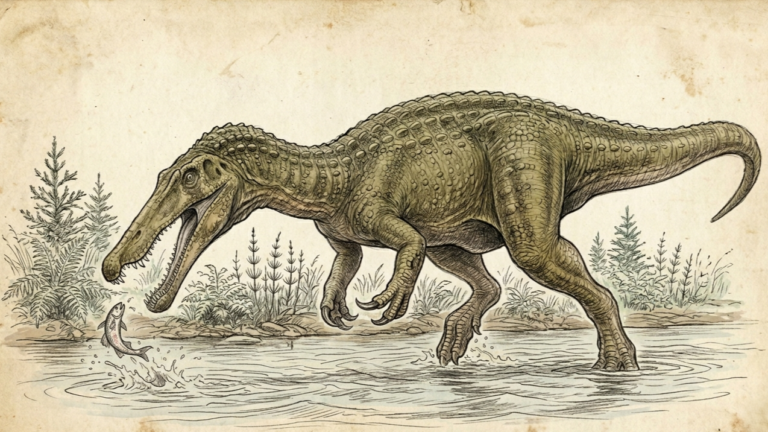
But Supersaurus had a naming drama. A supposed bigger dinosaur, Ultrasaurus, from the same quarry turned out to be more Supersaurus bones, resolving the size supremacy debate. Living among giants like Diplodocus and Brachiosaurus, Supersaurus thrived on the lush ferns, cycads, and horsetails of the Morrison Formation. Fossil evidence shows healed injuries, proving these titans endured brutal lives amid predators like Allosaurus.
Today, Supersaurus captivates with its record-breaking proportions, reminding us of a world where herbivores ruled as the ultimate giants.