Picture this: a backbone taller than a giraffe, unearthed by a farmer in the dusty plains of Argentina. That is Argentinosaurus, one of the largest land animals to ever walk the Earth. Discovered in 1987 near Plaza Huincul by Guillermo Heredia, this colossal sauropod was formally named in 1993 by paleontologists José Bonaparte and Rodolfo Coria. Its enormous dorsal vertebrae, measuring up to 5 feet 3 inches tall, hint at a body of unimaginable scale.
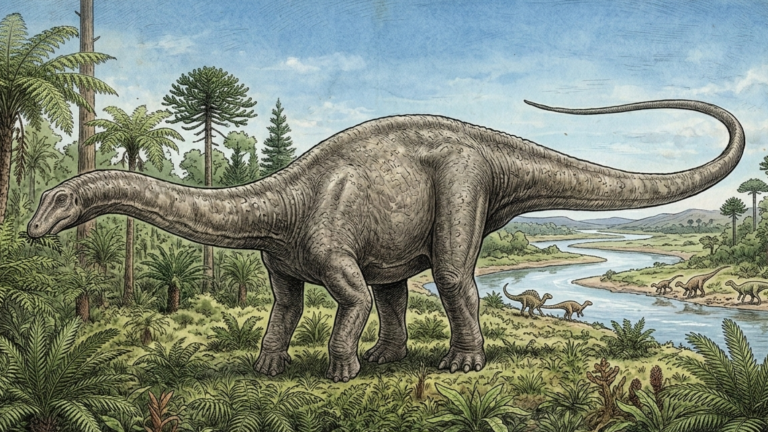
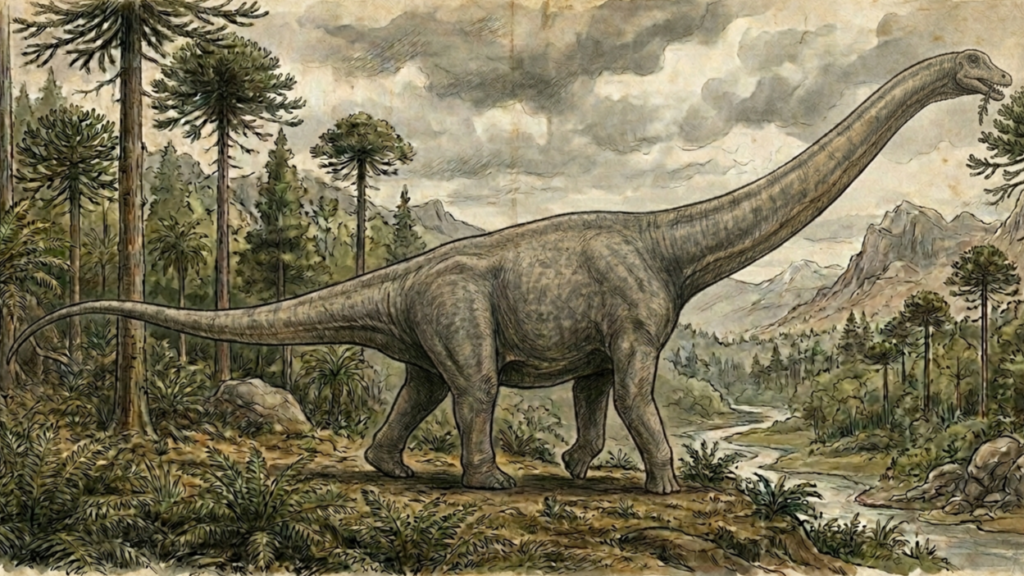
Stretching an estimated 100 feet from snout to tail tip, Argentinosaurus roamed the floodplains of Late Cretaceous Patagonia around 95 million years ago. This titanosaurs lightweight yet sturdy skeleton, filled with air sacs much like modern birds, allowed it to support its massive frame while browsing treetops laden with conifers, ferns, and cycads. Weighing as much as 10 African elephants combined, it must have shaken the ground with every step.
What makes Argentinosaurus stand out among giant dinosaurs is how little we know from such fragmentary remains, yet those bones paint a picture of dominance. Recent analyses suggest it could rear up on hind legs to reach higher vegetation, a feat few sauropods could match. Living alongside predators like Giganotosaurus, survival meant sticking close in herds. Today, its fossils fuel debates on the upper limits of terrestrial gigantism, captivating scientists and dino fans alike.