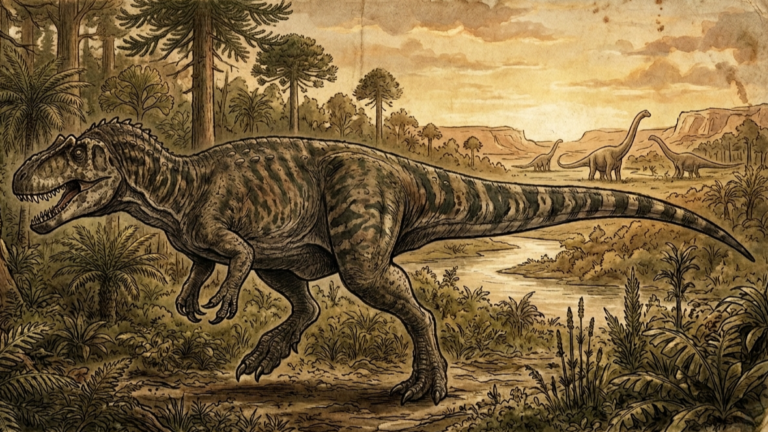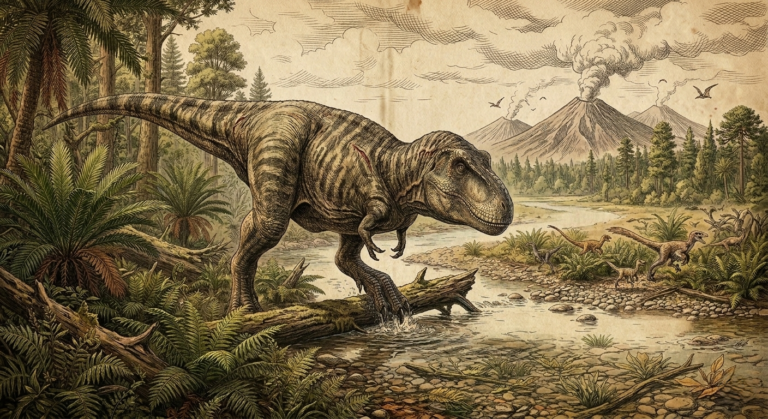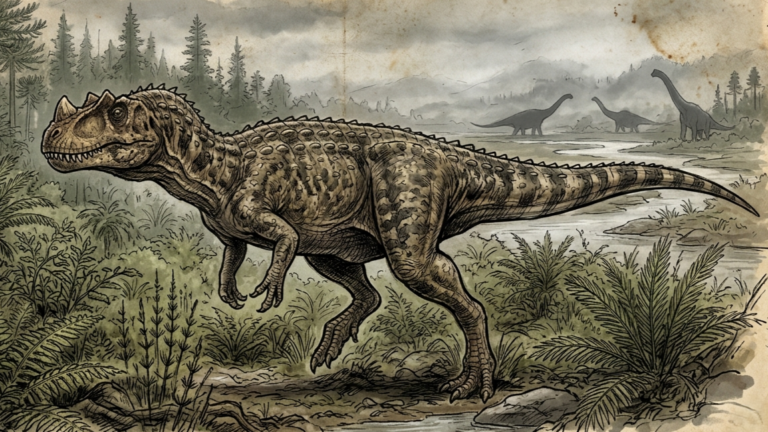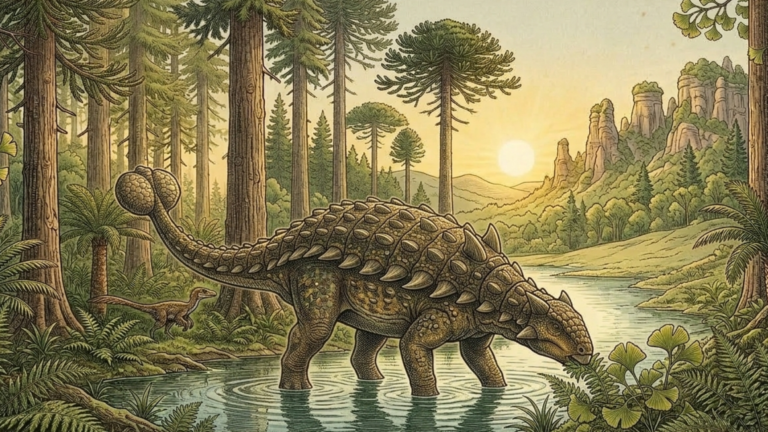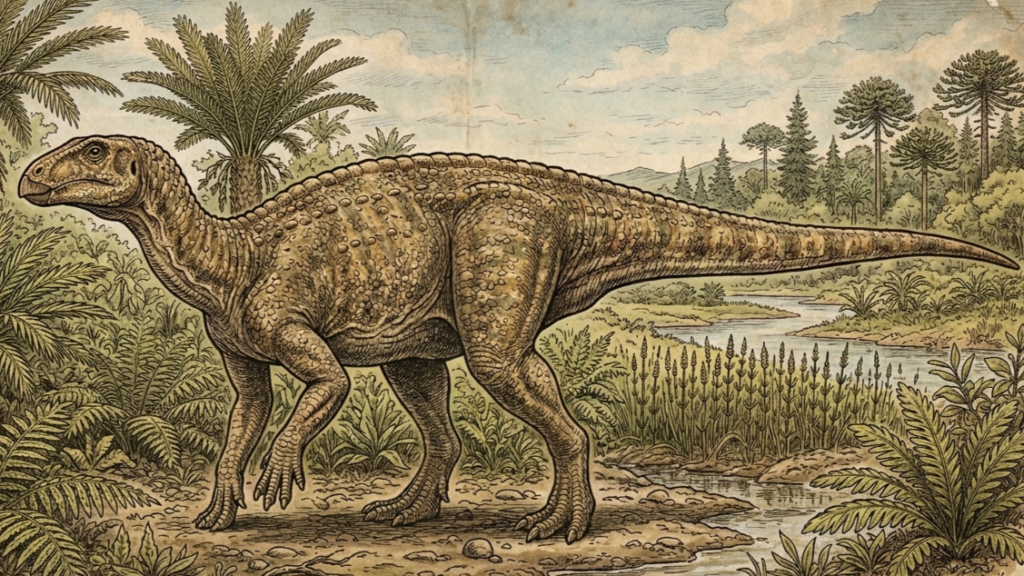
Picture a dinosaur built for agility, with a backbone that earned it the name Flexible Lizard. Discovered in 1879 by paleontologist Othniel Charles Marsh in Wyoming’s Como Bluff, Camptosaurus was one of the first detailed ornithopods unearthed from the famous Morrison Formation.
This plant-eater roamed floodplains teeming with towering conifers and ferns, using its beak-like mouth to crop low vegetation. Fossils reveal a robust body adapted for both bipedal and quadrupedal movement, with powerful hind legs suggesting bursts of speed to evade predators like Allosaurus. Hundreds of specimens, including juveniles from the Bone Cabin Quarry, have painted a picture of family groups thriving in Late Jurassic North America.
Recent studies highlight its flexible tail and prehensile capabilities, challenging earlier views of it as a sluggish grazer. From Portugal to England, scattered remains hint at a wider range, making Camptosaurus a key player in understanding early iguanodont evolution. Its discovery helped shift scientific views on dinosaur posture and diversity.