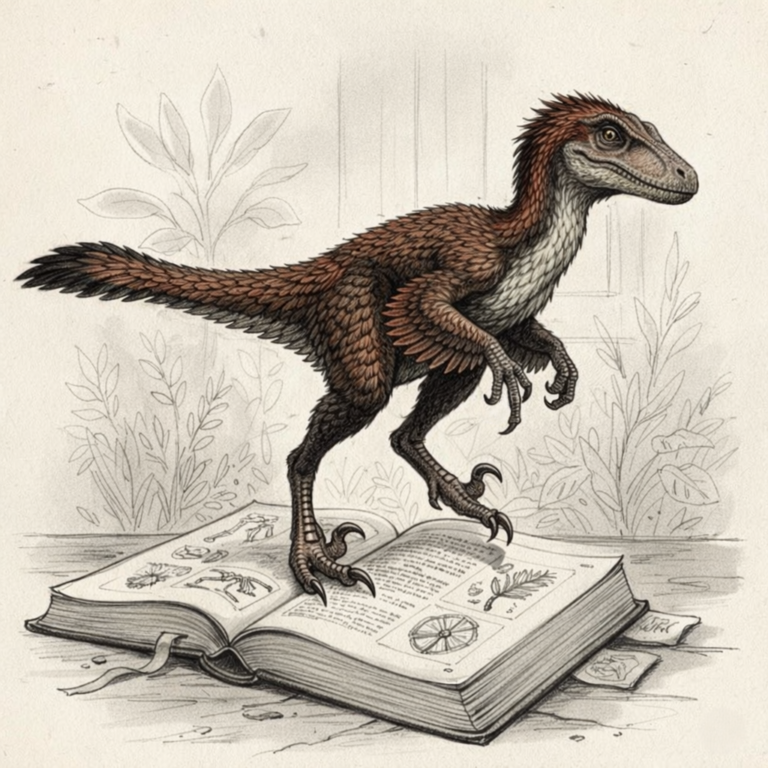
Imagine a brontosaurus rampaging through London’s streets in 1925 – it actually happened on screen! The Lost World, the first feature-length dinosaur adventure film, brought prehistoric beasts to life with groundbreaking stop-motion animation, captivating audiences and paving the way for modern blockbusters like Jurassic Park. Let’s talk about this cinematic milestone in this post!
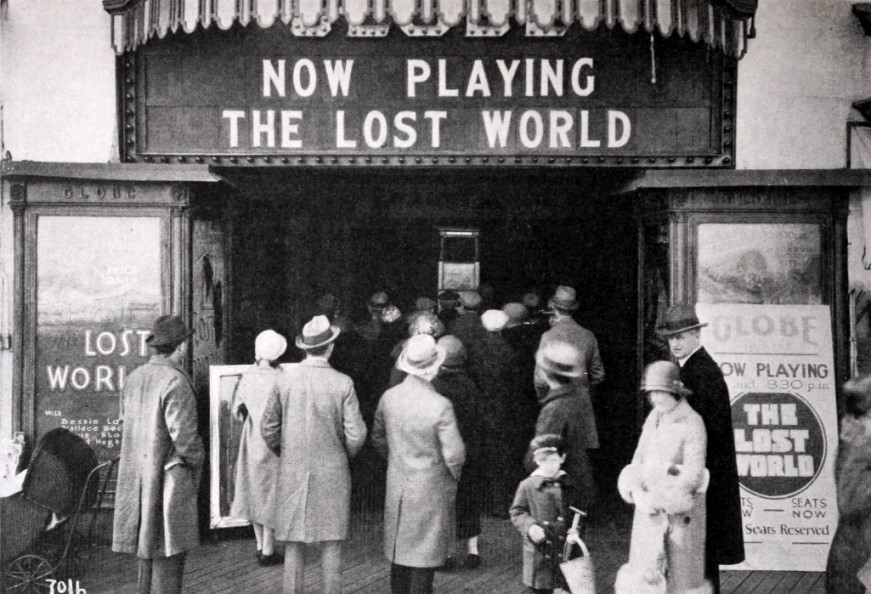
In 1925, The Lost World became the first film to feature dinosaurs in a major way, using innovative stop-motion by Willis O’Brien. A massive brontosaurus is hoisted from a ship and escapes into London, causing chaos! This adaptation of Arthur Conan Doyle’s novel thrilled viewers, proving dinosaurs could dominate the silver screen and inspiring future dino flicks. Who knew pre-CGI effects could be so epic?
The Lost World was based on Sir Arthur Conan Doyle’s 1912 novel of the same name, which imagined a hidden plateau in South America where dinosaurs still roamed. The 1925 silent film, directed by Harry O. Hoyt, took this concept to new heights with special effects wizard Willis O’Brien’s stop-motion animation. Audiences were mesmerized by the lifelike movements of creatures like allosaurus, pterodactyls, and the iconic brontosaurus.
One of the film’s most famous scenes shows the brontosaurus being transported back to London on a ship, only to break free and terrorize the city. This sequence was so convincing that it sparked rumors of a real dinosaur on the loose! The movie’s success led to re-releases and even a 1960 remake, but the original remains a cornerstone of dinosaur pop culture.
Willis O’Brien’s work on The Lost World caught the eye of Hollywood, leading him to create the dinosaurs for the 1933 classic King Kong. Without this pioneering film, the visual effects we love in modern dinosaur movies might not exist.
Sources: IMDb entry for The Lost World (1925), American Museum of Natural History articles on early dinosaur films, and Doyle’s original novel available on Project Gutenberg.