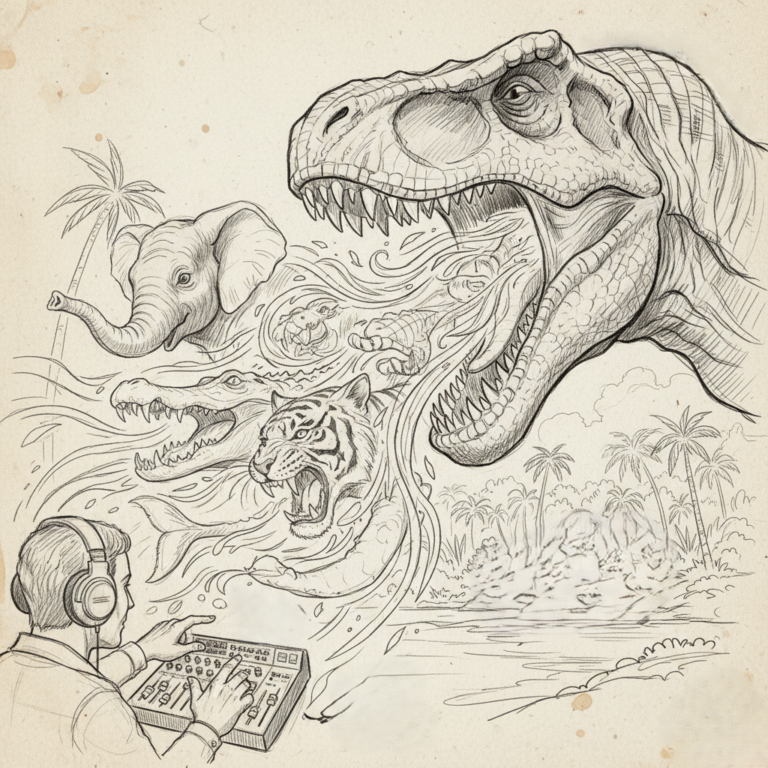
Ever dreamed of cowboys battling dinosaurs? Get ready for the epic 1969 adventure ‘The Valley of Gwangi’! Hidden valleys, roaring Allosaurus, and groundbreaking stop-motion effects that still thrill today. This film blends Wild West action with prehistoric power – which dino showdown is your favorite?
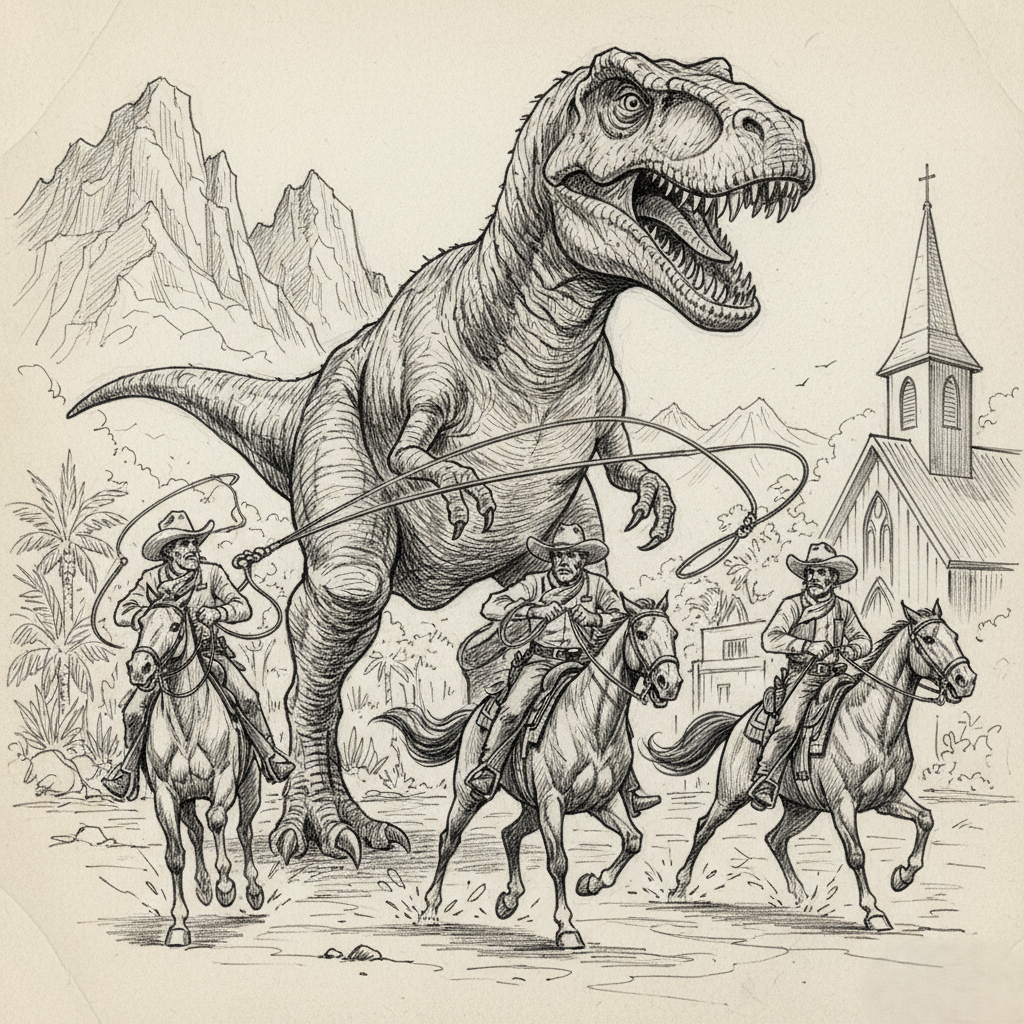
In a forgotten corner of Mexico, cowboys stumble upon the Forbidden Valley, home to living dinosaurs. They capture the fearsome Allosaurus Gwangi to star in their circus, but the beast’s rampage through town unleashes total chaos! Ray Harryhausen’s stop-motion genius in this 1969 film creates unforgettable dino-Western thrills that influenced generations of movie magic.
In 1969, ‘The Valley of Gwangi’ transported audiences to a world where the Old West met the age of dinosaurs. The plot centers on a troupe of performers led by cowboy Jack Westoby, who discover the hidden Forbidden Valley filled with prehistoric life. Spotting the opportunity for fame, they capture Gwangi, a massive Allosaurus, and bring him back to civilization for their struggling circus. But Gwangi proves too wild to contain, leading to a climactic battle in the town church.
The film’s visual spectacle is the work of effects pioneer Ray Harryhausen, whose stop-motion animation brought the dinosaurs to vivid life. Each frame was meticulously crafted, with Gwangi’s roping scene – where vaqueros attempt to lasso the charging dinosaur – showcasing Harryhausen’s skill in making the creatures dynamic and terrifying. This technique, known as Dynamation, allowed seamless integration of models with live actors, setting a standard for fantasy films.
Despite modest initial reception, ‘The Valley of Gwangi’ has become a beloved classic, praised for its adventurous spirit and innovative effects. It inspired filmmakers like Steven Spielberg, who cited Harryhausen’s influence on ‘Jurassic Park.’ The movie’s enduring appeal lies in its fun premise and the sheer wonder of seeing dinosaurs clash with humans in such a creative way.
Dive deeper with these sources: Ray Harryhausen official site, IMDb page for the film, and the book ‘Ray Harryhausen: An Animated Life’ by Ray Harryhausen and Tony Dalton.