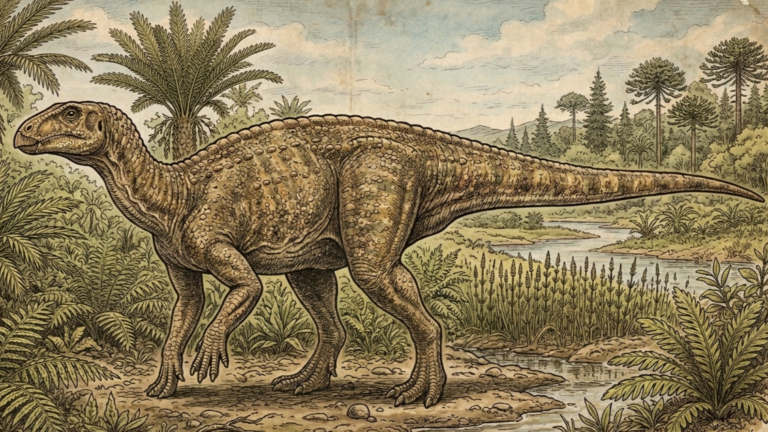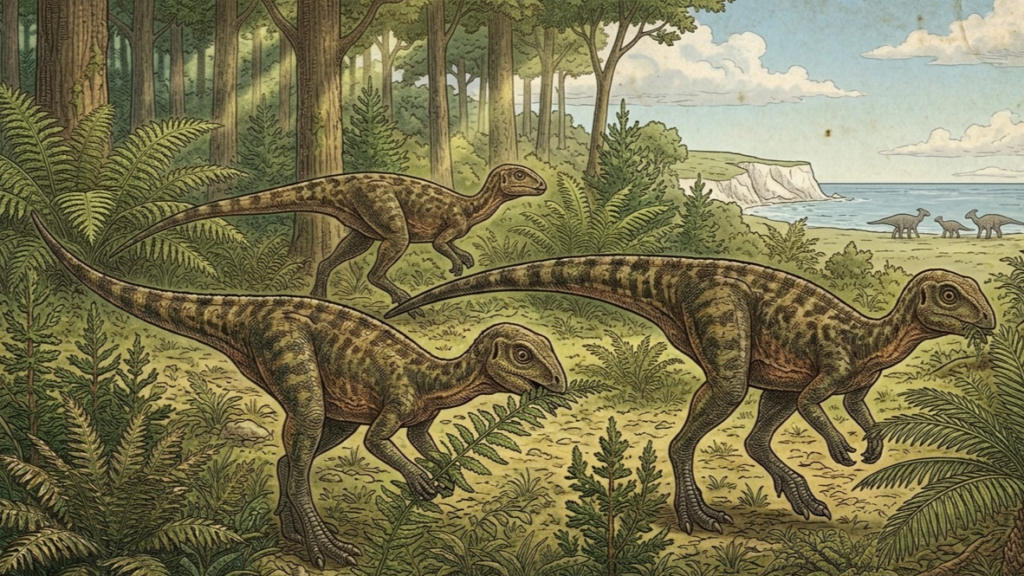
Picture a nimble creature the size of a border collie, zipping through prehistoric woodlands with the speed and grace of a gazelle. This is Hypsilophodon, a small dynamo that ruled the Early Cretaceous landscape around 125 million years ago.
First unearthed on England’s Isle of Wight in the mid-19th century, Hypsilophodon was formally named in 1869 by famed anatomist Thomas Henry Huxley. He drew the name from the Greek words for a ridged lizard’s teeth, inspired by its distinctive dental structure. Over two dozen well-preserved skeletons have been discovered there, making it one of the best-known small dinosaurs from that era. These finds revealed a lightweight frame perfect for quick escapes from predators.
Standing just two feet tall at the hips but stretching over six feet long with its tail, Hypsilophodon was built for speed. Its powerful hind legs and long, stiff tail allowed it to run bipedally at high speeds, much like modern roadrunners. Early reconstructions even suggested it climbed trees like a squirrel, but modern analysis confirms it was a ground-dwelling herbivore, browsing on low vegetation in lush, coastal forests teeming with ferns and cycads.
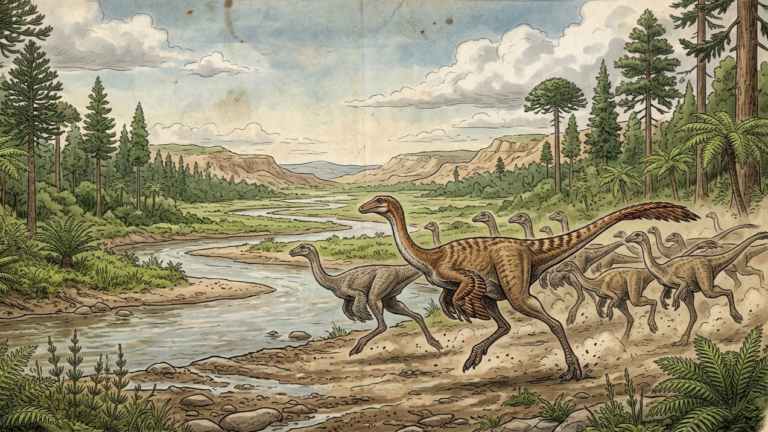
Hypsilophodon’s abundance on the Isle of Wight hints at herd behavior, providing safety in numbers against larger threats. Its large eyes suggest keen vision for spotting danger, and its beak-like mouth was ideal for nipping tough plants. Today, these speedy survivors remind us of the diverse, dynamic world of dinosaur-dominated ecosystems.