Picture this: an amateur fossil hunter digs into a clay pit in 1983 and uncovers a claw larger than his forearm. That claw belonged to Baryonyx, one of the most intriguing carnivores of the Early Cretaceous.
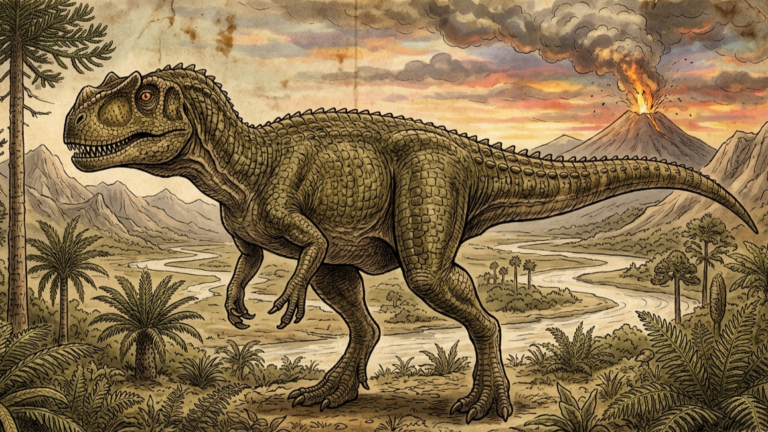
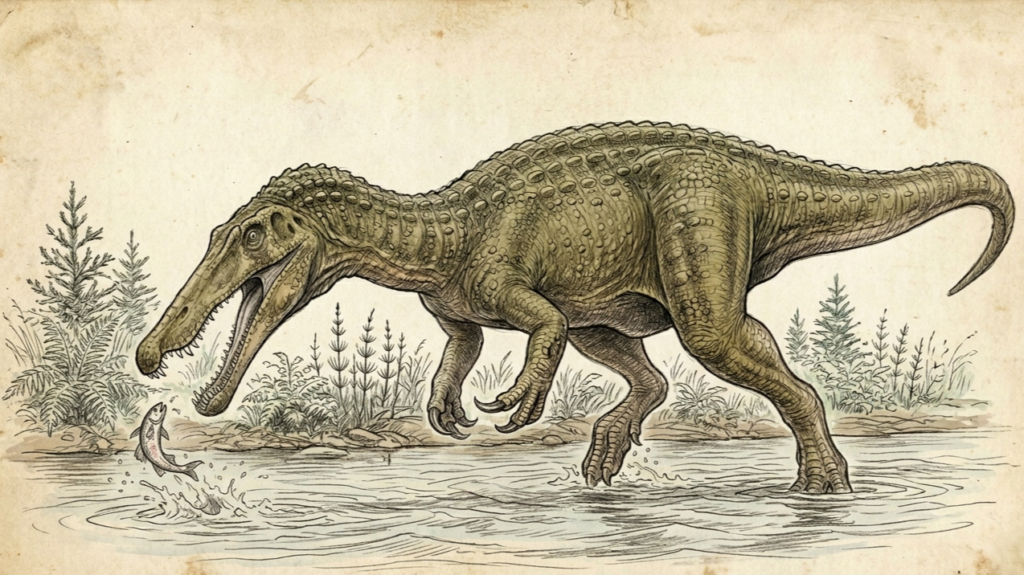
Named Baryonyx walkeri by paleontologist Angela Milner in 1986, this dinosaur was found in Smokejack Clay Pit, West Sussex, England, with over 65% of its skeleton preserved. Its massive 12-inch thumb claw hinted at a powerful predator, but its long, crocodile-like snout told a different story: a fish specialist.
Inside its ribcage, scientists found scales from the fish Lepidotes and a young Iguanodon thumb bone, proving Baryonyx was no stranger to varied meals. Recent finds in Spain and Portugal show it roamed riverbanks across Europe, using conical teeth to snag slippery prey.
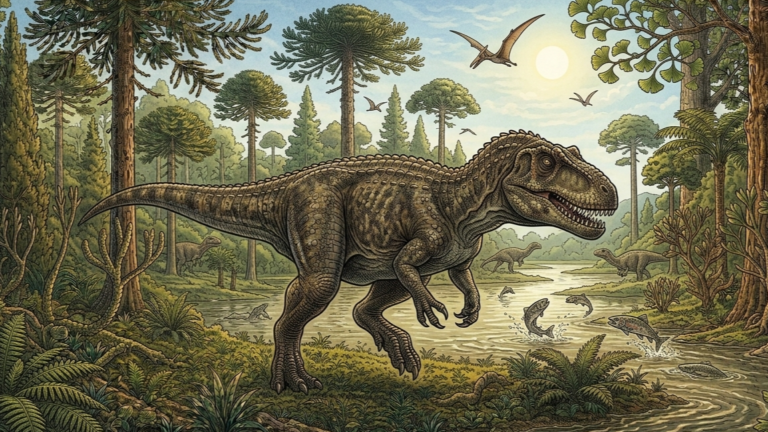
Without a sail like its relative Spinosaurus, Baryonyx likely waded through shallow waters, its strong legs and flexible neck making it a versatile hunter in lush, forested floodplains teeming with life.