Ever wondered if Indiana Jones was inspired by a real person? Meet Roy Chapman Andrews, the swashbuckling paleontologist who discovered the first dinosaur eggs in the Gobi Desert! In 1923, he led a team through bandit-infested sands, unearthing secrets that changed our view of dinosaurs forever. Hold on to your fedora, this story is wild!
In 1923, adventurer Roy Chapman Andrews braved the Gobi Desert’s dangers, including armed bandits, to lead the Central Asiatic Expedition. Amid the vast, unforgiving dunes, his team stumbled upon nests of fossilized eggs – the first ever confirmed as dinosaur eggs from Protoceratops. This discovery proved dinosaurs nested like modern birds and fueled the legend of Indiana Jones, with Andrews’ escapades directly inspiring the iconic character.
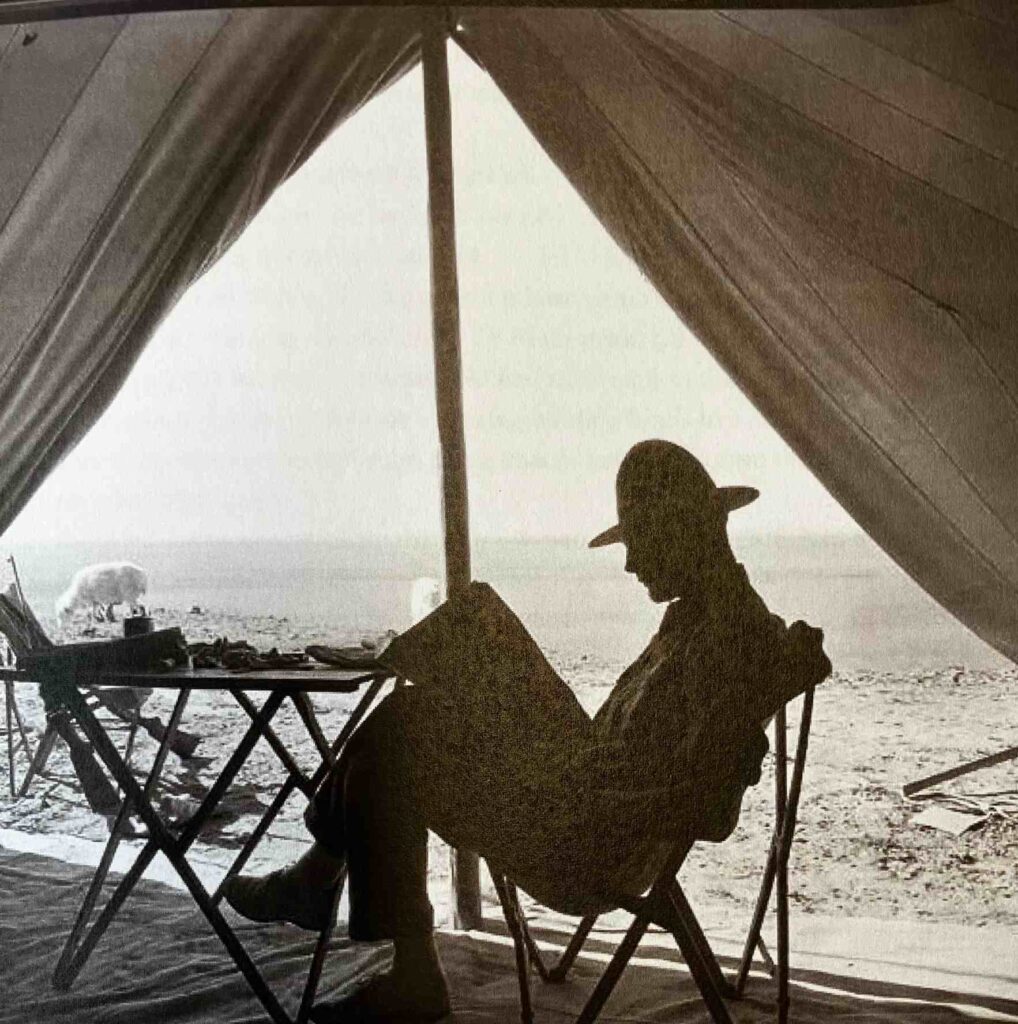
Roy Chapman Andrews was no ordinary scientist; he was a real-life action hero. As the leader of the American Museum of Natural History’s expeditions, he organized the third Central Asiatic Expedition in 1922-1923. The team traveled thousands of miles across Mongolia’s Gobi Desert using camels, horses, and early automobiles. They faced extreme heat, sandstorms, and most thrillingly, attacks from local bandits who mistook them for spies or treasure hunters. Andrews himself recounted narrow escapes, including a dramatic caravan ambush where his quick thinking saved the day.
The pinnacle of the expedition came in the Flaming Cliffs area, known as Shabarak Usu. While prospecting for fossils, team member George Olsen spotted broken eggshell fragments. Further excavation revealed intact nests with dozens of eggs, arranged in rings as if the mother dinosaur had carefully laid them. Initially thought to be from Oviraptor (egg thief), they were later identified as Protoceratops eggs. This find was monumental, providing the first evidence of dinosaur reproduction and nesting behavior, bridging the gap between dinosaurs and birds.
Andrews’ adventures captured the public’s imagination and directly influenced George Lucas and Steven Spielberg when creating Indiana Jones. The character’s fedora, whip, and desert quests echo Andrews’ style and exploits. His discoveries reshaped paleontology, showing dinosaurs as more bird-like than previously thought, and his books like ‘On the Trail of Ancient Man’ brought these stories to life.
For more details, check out the American Museum of Natural History’s archives, the book ‘Dragon Hunter: Roy Chapman Andrews and the Gobi Expedition’ by Lowell Dingus and Timothy Rowe, or Andrews’ own ‘This Business of Exploring’!