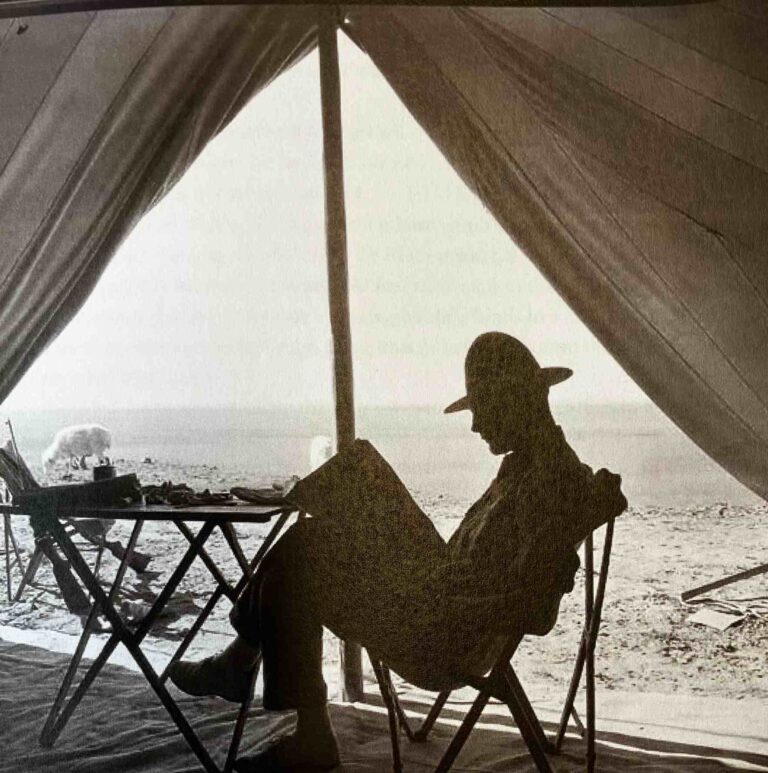
Imagine stumbling upon a massive T-Rex skeleton in the badlands, only for it to spark a dramatic legal battle over ownership worth millions. Meet Sue, the most famous dinosaur in the world, whose discovery turned paleontology into a high-stakes adventure. This story of greed, science, and triumph will blow your mind.
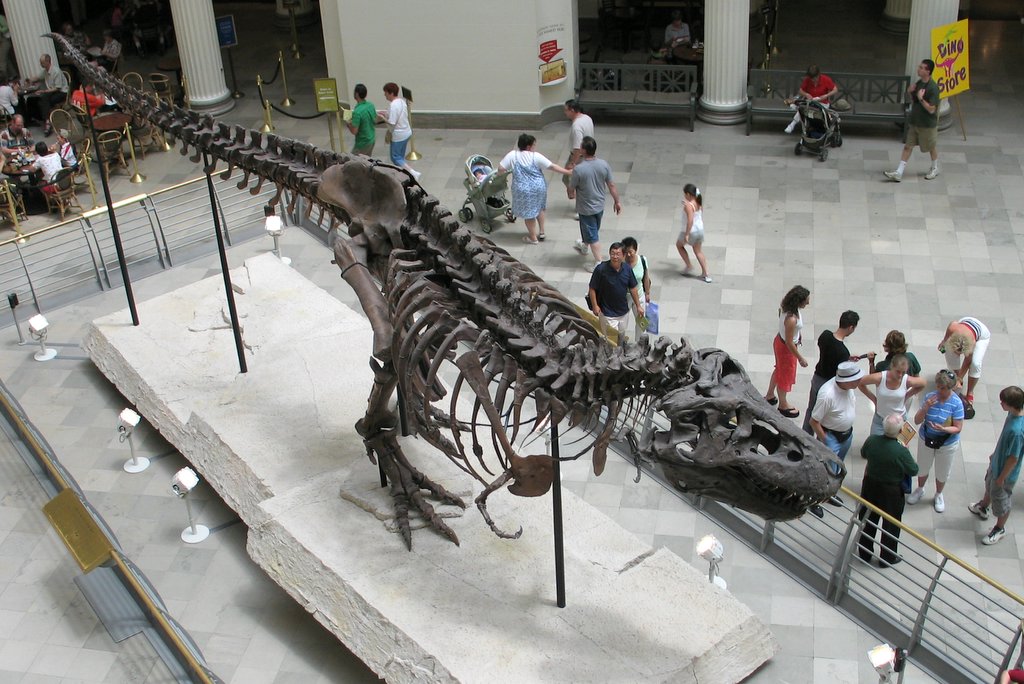
In 1990, a team unearthed Sue, a nearly complete T-Rex skeleton, 90% intact and over 40 feet long. But ownership disputes led to FBI raids and a court case. Sold for a record $8.4 million, Sue now reigns at the Field Museum. From Black Hills soil to global icon, her saga proves dinosaurs still rule with drama and discovery.
Sue’s discovery began on August 12, 1990, when Sue Hendrickson, a paleontologist with the Black Hills Institute, spotted bones protruding from a cliff in Faith, South Dakota. What started as an exciting find quickly escalated into controversy. The landowner, Maurice Williams, claimed partial ownership since the land was held in trust by the federal government. This led to a heated legal dispute between the Black Hills Institute and the Native American tribe involved.
The drama peaked in 1992 when the FBI and National Guard raided the institute, seizing Sue’s bones because they were excavated from federal trust land without government permission. After a lengthy legal battle, the 8th Circuit Court of Appeals ruled the fossil was part of the land and belonged to landowner Maurice Williams; the Supreme Court declined to hear the case, letting that decision stand. In a groundbreaking 1997 auction at Sotheby’s, Sue sold for $8.4 million to the Field Museum, with financial backing from Disney and McDonald’s. Today, Sue remains the most complete giant T-Rex ever found and one of the world’s most famous scientific icons.
This story highlights the wild world of fossil hunting, where science meets legal battles and big money. Sue’s journey from South Dakota hills to museum stardom has inspired books, documentaries, and endless fascination with dinosaurs.
Sources: Field Museum official page, Sue Hendrickson’s accounts in National Geographic, and the book ‘Rex Appeal’ by Peter Larson.