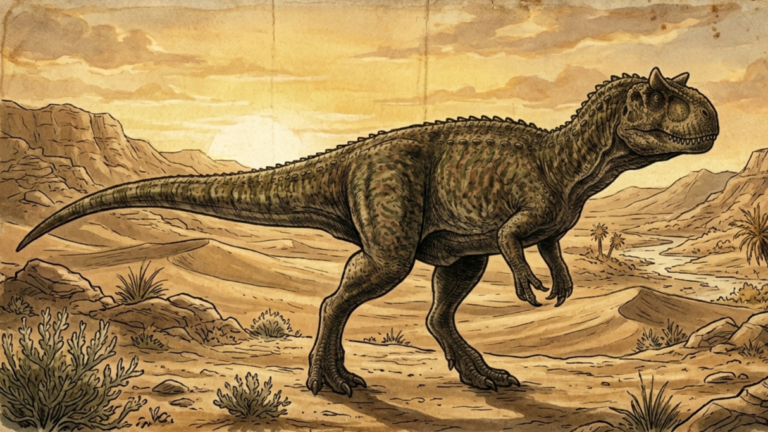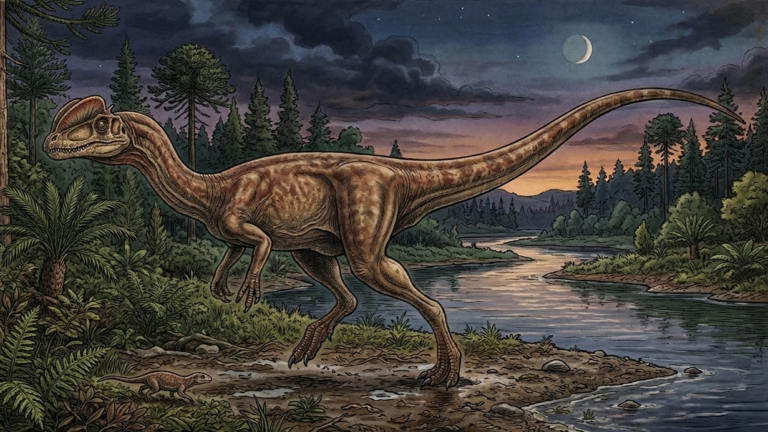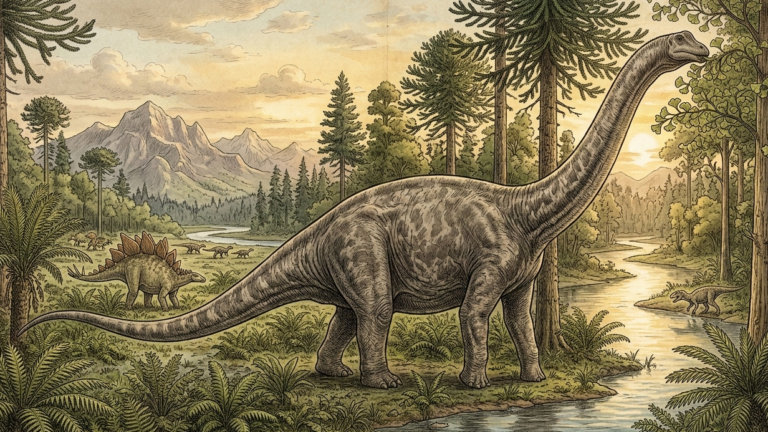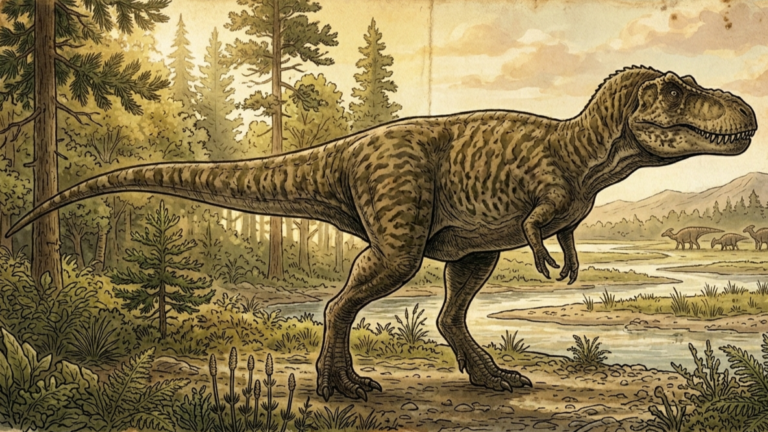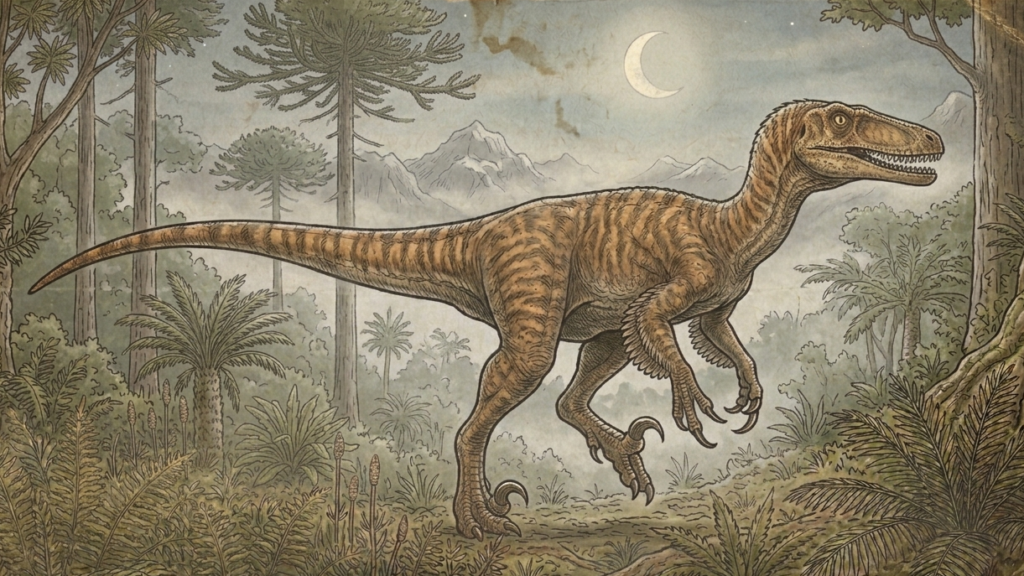
Picture this: a stealthy predator lurking in the Late Cretaceous forests of Patagonia, armed with a foot claw longer than a man’s forearm. Meet Megaraptor, the ‘giant thief’ whose massive sickle-shaped claw initially baffled paleontologists into thinking it was a hand weapon like its distant cousin Utahraptor. Discovered in 1997 in Argentina’s Neuquén Province by local rancher Ruben Juarez, this dinosaur’s fossils revealed a very different beast upon closer study.
When first described in 1998 by Rodolfo Coria, Megaraptor was hailed as a giant dromaeosaurid, but mounting evidence shifted views. Recent analyses, including a 2023 study, reclassified it firmly within the carcharodontosaurids, a family of shark-toothed giants. Its primary weapons turned out to be those enormous pedal unguals on its feet, perfect for slashing prey, combined with powerful arms sporting three-fingered hands unlike the typical two-fingered carnosaurs.
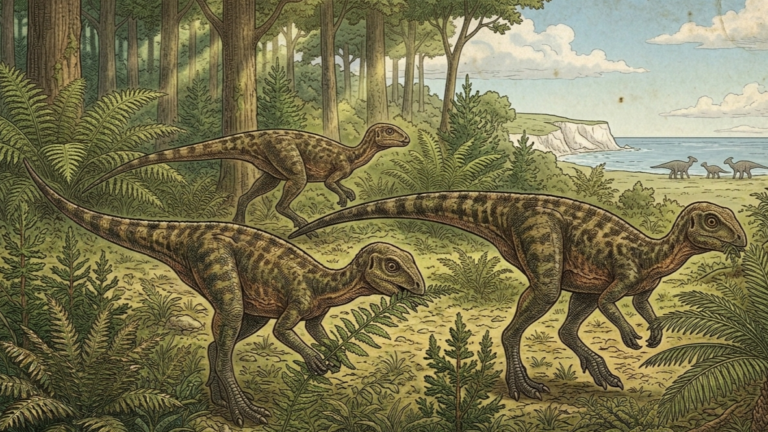
Living around 90 to 84 million years ago in what is now Patagonia, Megaraptor prowled riverine floodplains amid lush vegetation. Fossils from the Bajo de la Carpa Formation paint a picture of a swift, agile hunter, estimated at 26 feet long, preying on medium-sized dinosaurs in a predator-packed ecosystem that included giganotosaurids and other formidable foes. Ongoing discoveries continue to refine our understanding of this enigmatic theropod, proving that sometimes the biggest surprises hide in the smallest details of ancient bones.