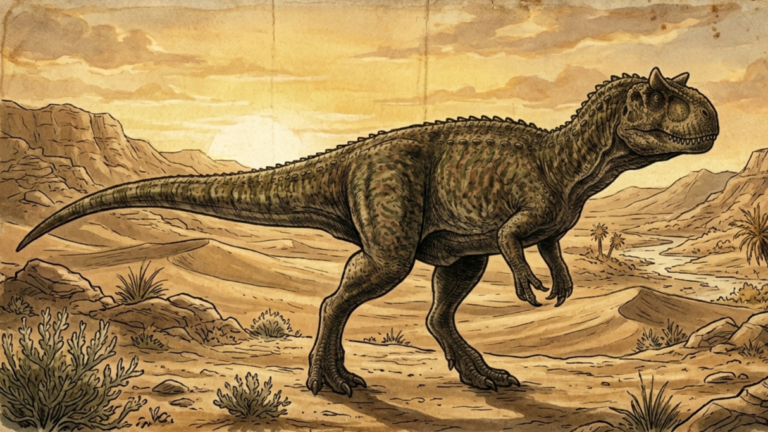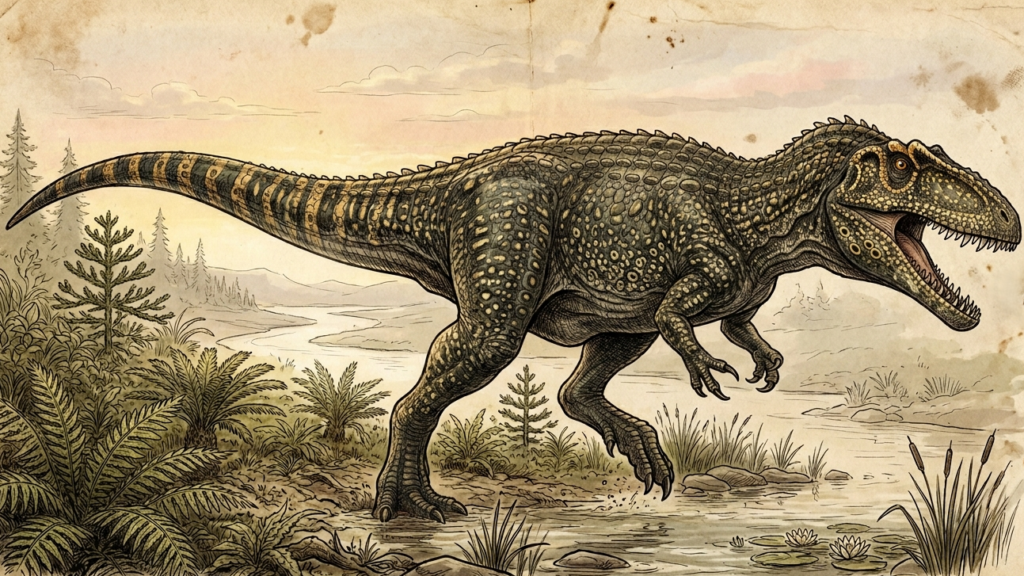
Picture this: a colossal predator larger than the mighty Tyrannosaurus Rex, stalking the floodplains of ancient Patagonia. Giganotosaurus carolinii was not just big, it was a force of nature that redefined what we thought possible for meat-eating dinosaurs.
In 1993, amateur fossil collector Ruben Carolini stumbled upon the first fragments of this beast in Argentina’s Neuquen Province, within the Rio Limay Formation. Named in 1995 by paleontologists Rodolfo Coria and Leonardo Salgado, the name honors both its gigantic size and southern origin. The holotype specimen included a massive lower jaw, hinting at a skull over 1.5 meters long, armed with serrated teeth designed for slashing through flesh.
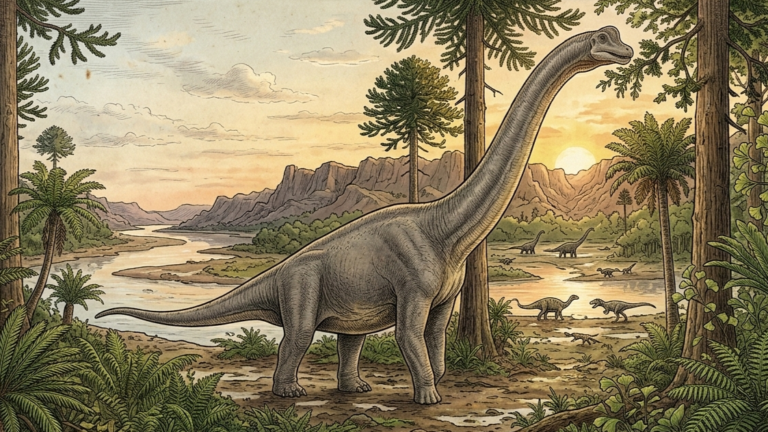
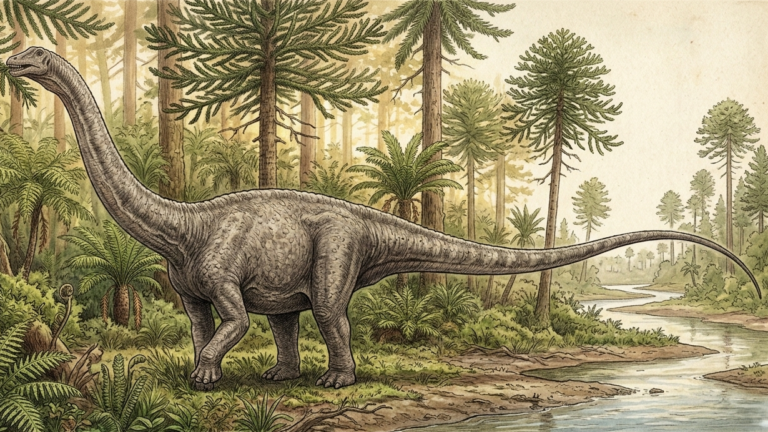
Estimates place Giganotosaurus at the top of the food chain, preying on enormous sauropods like Argentinosaurus. Evidence from related Mapusaurus bones shows deep bite marks, suggesting fierce battles between these giants, possibly even cannibalism. Recent studies confirm its lightweight build for speed, with powerful legs allowing bursts up to 31 mph.
Giganotosaurus challenges our T-Rex obsession, proving the Southern Hemisphere birthed some of the largest carnivores ever. Its discovery continues to fuel debates on theropod supremacy, with ongoing excavations promising more revelations.