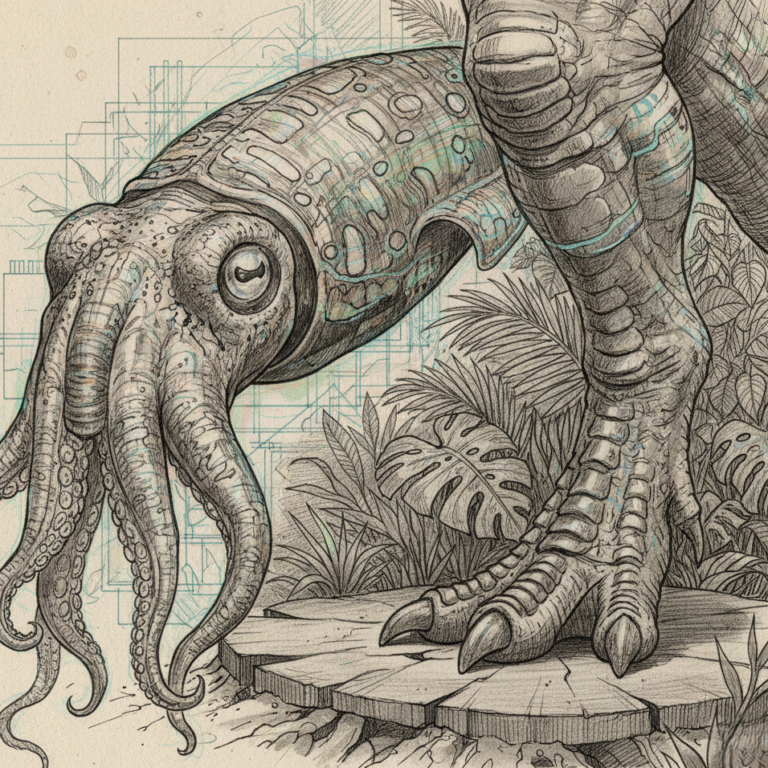
Crichton’s key term missing from the movie that explains why Jurassic Park’s raptors are bigger than their real-life counterparts. Ever wonder why the raptors one the big screen were double the size of the raptor we have on the paleontological record? Well, the answer is in how loosely the term velociraptor was used when Michael Crichton’s book was being written in the early 1990’s.
Shocking revelation: The velociraptors in Jurassic Park were actually based on Deinonychus! In Michael Crichton’s novel, they were named Deinonychus, reflecting real science. But for the 1993 film, paleontologist Robert T. Bakker suggested switching to ‘Velociraptor’ for its fiercer sound. Supersized and portrayed as cunning pack hunters, they became iconic, though true Velociraptor was tiny and likely feathered. This mix of fact and fiction captivated the world!
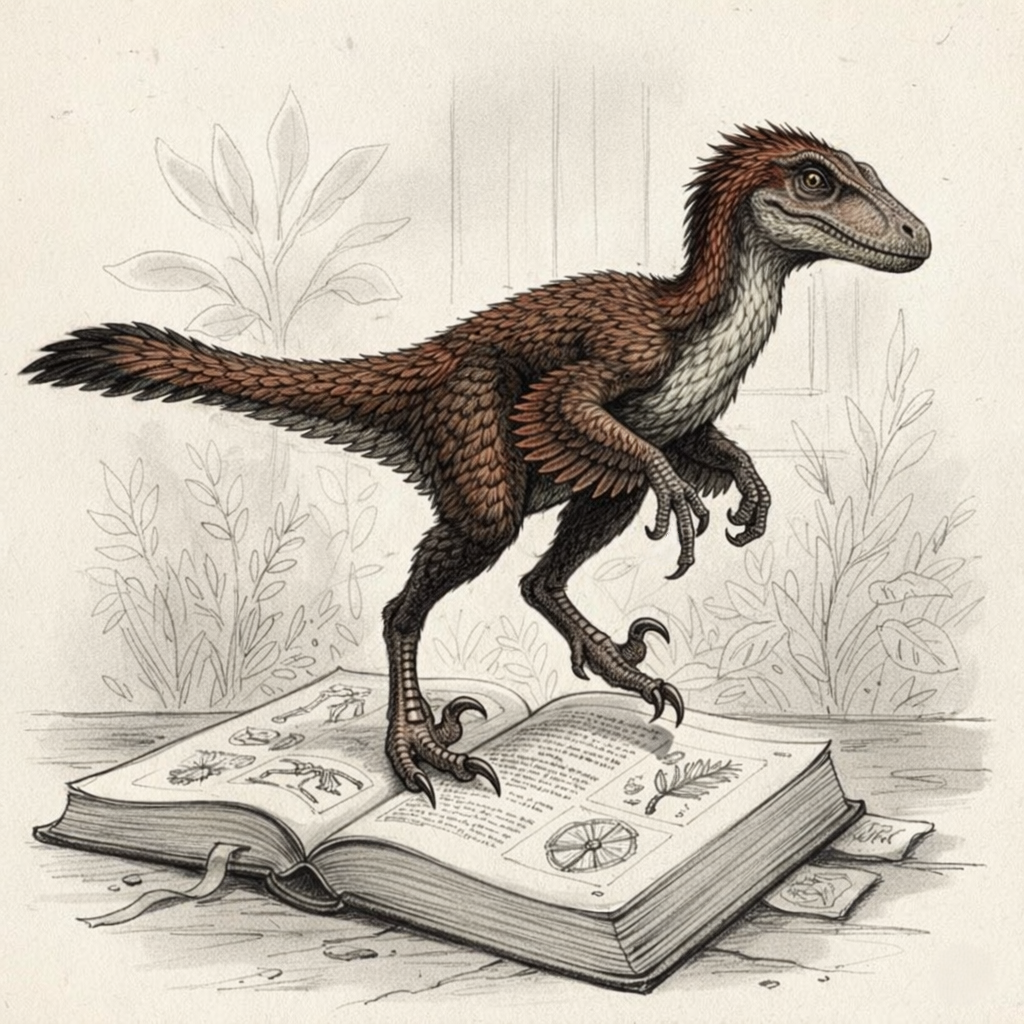
In Michael Crichton’s groundbreaking 1990 novel Jurassic Park, the agile, intelligent dinosaurs that terrorize the island are specifically called Deinonychus. This name was chosen accurately, drawing from John Ostrom’s 1960s discovery of Deinonychus fossils, which showed these dinosaurs were fast, bird-like predators capable of coordinated hunting – a far cry from the lumbering reptiles of old stereotypes.
When Steven Spielberg brought the story to the big screen in 1993, the production team sought input from leading paleontologists to blend authenticity with spectacle. Robert T. Bakker, famous for promoting the idea of warm-blooded dinosaurs, advised changing the name from Deinonychus to Velociraptor. He believed ‘Velociraptor’ had a more menacing, exotic ring that would heighten the terror, even though the actual Velociraptor mongoliensis from Mongolia was only about 6 feet long and turkey-sized, not the 10-12 foot monsters in the film.
The movie velociraptors were dramatically enhanced: enlarged to human height, given advanced problem-solving intelligence, and shown hunting in packs like wolves. While they lacked the feathers that modern science suggests these dromaeosaurs had, their depiction revolutionized public perception of dinosaurs as dynamic, scary creatures. This creative choice not only made for unforgettable scenes, like the kitchen chase, but also sparked a surge in interest in paleontology among viewers.
Today, the Jurassic Park velociraptors remain cultural icons, influencing games, toys, and sequels. Fans love debating their accuracy, and it’s a testament to how pop culture can popularize science. For deeper dives, read Crichton’s novel, Bakker’s ‘The Dinosaur Heresies’ (1986), or check Smithsonian Magazine articles on dinosaur media portrayals. Sources: Jurassic Park book, Jurassic Park DVD commentary, National Geographic dinosaur features.