What if the fiercest dinosaurs were actually loving parents? In 1978, paleontologist Jack Horner made a discovery in Montana that shattered our monster myths and revealed a tender side to prehistoric life.

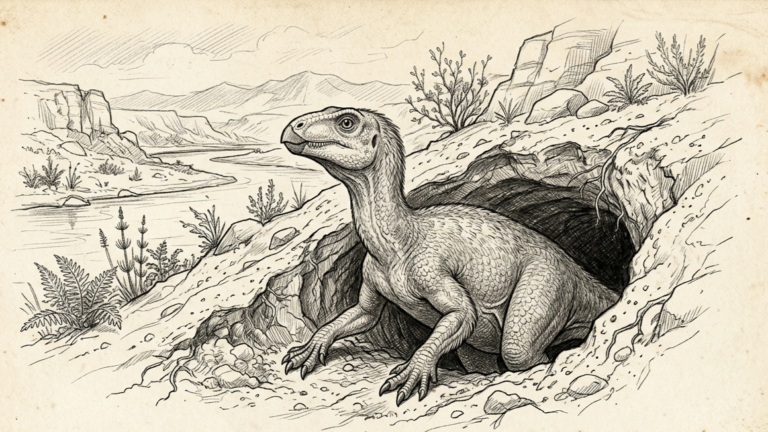
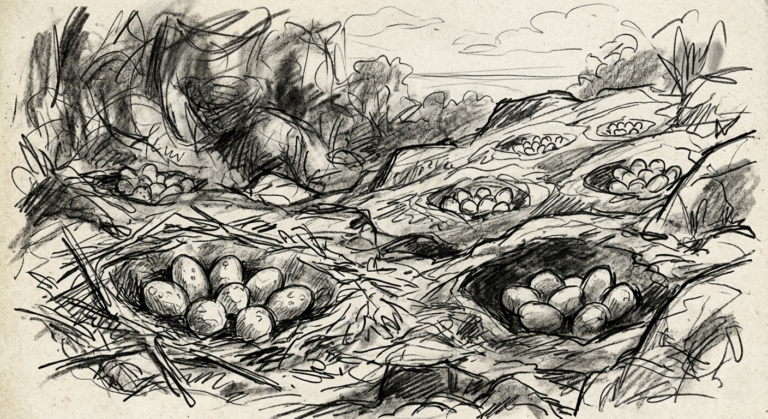
In the rugged badlands of Montana during the late 1970s, paleontologist Jack Horner uncovered over 15 dinosaur nests belonging to Maiasaura, meaning good mother lizard. Inside were clutches of eggs and tiny hatchlings, some just days old, unable to hunt or forage on their own. Surrounding the nests were nests of half-eaten plants, clear evidence that adult Maiasaura brought food to feed their young, much like modern birds. This groundbreaking find proved dinosaurs exhibited complex parental care, transforming them from mindless killers to nurturing family animals in scientific eyes. It even inspired the family dynamics in Steven Spielberg’s Jurassic Park films.
Jack Horner’s expedition in the Two Medicine Formation of Montana in 1978 was routine at first, but what he found changed paleontology forever. Digging through the Cretaceous rock layers, his team unearthed multiple nests of the hadrosaur Maiasaura, each containing 10 to 20 eggs. The hatchlings were small, about the size of a cat, with underdeveloped limbs that made self-sufficiency impossible. Nearby, Horner found gastroliths (stomach stones) and chewed pine cones, indicating adults foraged and returned with meals for their offspring. This evidence suggested dinosaurs lived in family groups, with parents protecting and provisioning for weeks or months until the young could join the herd.
The implications were staggering. Before this, dinosaurs were depicted as solitary brutes, driven only by hunger and aggression. Horner’s work, published in scientific journals, showed they had social structures akin to elephants or birds, challenging long-held views. Maiasaura became an icon for dinosaur behavior studies, and Horner went on to discover more about dinosaur growth and even consult on major films. His findings fueled debates on whether birds, as dinosaur descendants, inherited these behaviors.
In pop culture, Horner’s expertise shaped the Jurassic Park franchise. As a scientific advisor to Michael Crichton and Steven Spielberg, he ensured the dinos felt real and relatable. The parental themes in the movies echo his discoveries, making audiences see dinos not just as threats, but as creatures with depth. Today, Horner’s work inspires ongoing research into de-extinction and dinosaur family life.